TriggerPoint / Recovery tools
TriggerPoint GRID 1.0 Foam Roller
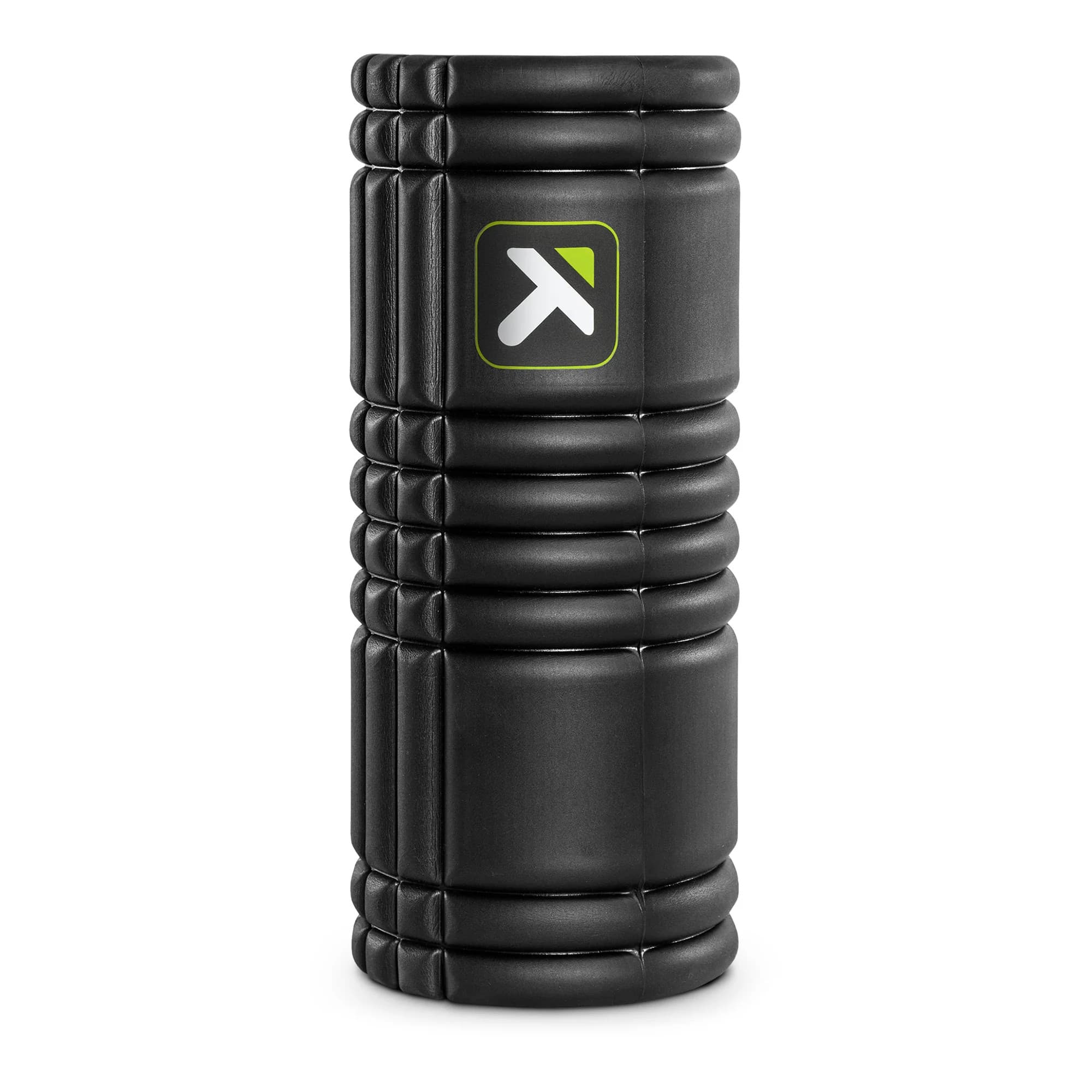
A compact hollow-core roller with a multi-texture EVA surface for a deliberate mobility or recovery station, without turning a short-term comfort tool into a treatment claim.
Best fit when
- Adults who want a compact, easy-to-clean roller for healthy-muscle mobility work
- A travel or home setup where the tool needs to store beside a mat and bands
Choose another path when
- You need a clinician-selected device for an injury, unexplained pain, or a restricted body area
- You want a large roller that supports both sides of the body at once
Verified shopping path
Fit first. Then check the exact listing.
Each paid retailer destination shown here is tied to this product record. Reconfirm the model, variant, included pieces, seller, price, and stock on the retailer page before paying.
Identity gate: brand, model, generation, size or load, quantity, and bundle.
Paid link. Workout Authority may earn a commission if you buy through a retailer link. As an Amazon Associate I earn from qualifying purchases.
Training jobs
What earns the floor space.
- 01Add a repeatable self-massage or mobility ritual before or after training
- 02Keep one recovery tool available in a travel bag or daily-reset station
Sourced specifications
Facts with a visible source.
Test queue
The protocol is assigned. The result is not.
Documents a recovery tool's construction, handling, pressure control, cleaning, portability, and ownership wear without turning a comfort observation into a treatment or injury claim.
- Hands-on gate
- 3 measurements / 4 observations
- Long-term gate
- 90 days / 20 sessions
0 completed first-party sessions. This record remains spec-reviewed, and no measurement or use result is implied.
- 01Tool dimensions3x
Record the dimensions that change target access, storage, and travel fit.
- 02Tool mass3x
Record the mass that affects carrying, bag storage, and setup handling.
- 03Surface and core inspection3x
Observe texture, seams, core construction, and any finish variation that changes contact or cleaning.
- 04Setup and reset3x
Record the time and steps required to retrieve, use, clean, and store the tool.
- 05Pressure control3x
Observe whether a tester can change contact pressure and speed without losing stable support.
- 06Target access3x
Observe which intended muscle areas are reachable without awkward bracing, sliding, or unsafe positioning.
- 07Travel fit3x
Record whether the tool fits the intended bag, shelf, or daily-reset boundary without crushing adjacent gear.
- 08Ownership wear log1x
Record surface, seam, odor, compression, and storage changes over time.
Tradeoffs
What the recommendation does not hide.
- The 13-inch format stores easily but limits how much surface can be covered in one pass
- The ridged surface gives more contact options, but a firm texture is not automatically better for every person or body region
Read the decision
Guides that put this record in context.
Use a foam roller when you want a repeatable, low-cost mobility or comfort ritual and the tool fits your schedule. Evidence supports short-term range-of-motion changes and some recovery effects, but it does not make a roller necessary, prove injury treatment, or replace sleep, training-load decisions, or clinical care.
RecoveryShould you choose a foam roller or a massage gun?Choose the simplest tool that matches the pressure, reach, sound, charging, and storage boundary you will actually repeat. A foam roller gives manual, broad contact; a vibrating ball concentrates contact; a massage gun adds powered percussion. None is required for progress, and the evidence does not turn any one format into a universal recovery fix.