American Floor Mats / Gym flooring
Performance-Lock Rubber Tiles
Interlocking rubber tiles for a home training floor that needs a defined equipment zone, a grippy surface, and a more deliberate answer to impact and seam transitions.
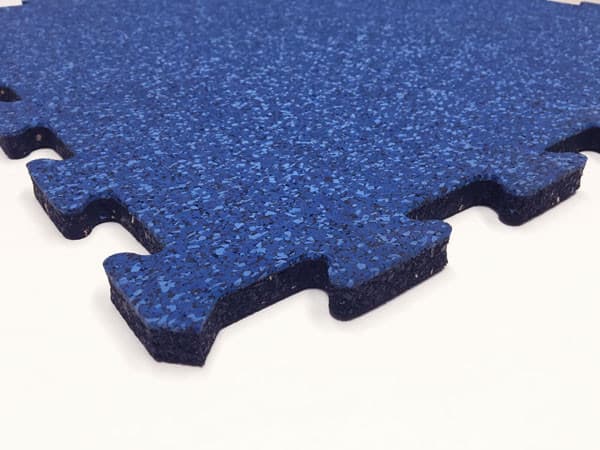
Best fit when
- A room where interlocking tiles can be installed without adhesive
- A training zone that needs more structure than a thin yoga or travel mat
Choose another path when
- You need a temporary surface that folds into a closet or cannot verify subfloor, door, and threshold clearance
Training jobs
What earns the floor space.
- 01Protect a defined training area from equipment contact and controlled impact
- 02Create a reconfigurable surface under benches, bikes, and loaded movement
Sourced specifications
Facts with a visible source.
Test queue
The protocol is assigned. The result is not.
Documents one gym-flooring sample's dimensions, interlock or installation process, edge behavior, surface contact, cleaning, and ownership wear without treating a manufacturer impact or acoustic claim as a tested result.
- Hands-on gate
- 3 measurements / 4 observations
- Long-term gate
- 90 days / 20 sessions
0 completed first-party sessions. This record remains spec-reviewed, and no measurement or use result is implied.
- 01Tile or roll thickness3x
Record the thickness that changes door clearance, edge transitions, and equipment stability.
- 02Module footprint3x
Record the usable length and width of one tile or mat module for room planning.
- 03Module mass3x
Record the mass that affects carrying, installation, storage, and daily reset.
- 04Installation sequence3x
Observe the setup, alignment, cutting, and edge-finishing work required for the recorded floor area.
- 05Seam and edge contact3x
Observe seam alignment, edge lift, threshold contact, and visible movement under a controlled equipment pass.
- 06Training surface contact3x
Observe foot, mat, bench, and equipment contact during controlled strength and floor work.
- 07Cleaning and reset3x
Observe the handling, cleaning, drying, and return-to-use steps after a recorded session.
- 08Ownership wear log1x
Record seam, edge, surface, color, odor, and compression changes over time.
Tradeoffs
What the recommendation does not hide.
- The thicker rubber construction adds protection and stability but creates carrying, odor, and transition decisions
- Interlocking tiles can be reconfigured, but a larger floor takes deliberate measuring, trimming, and seam inspection
Where it fits
Included in a complete setup.
Read the decision