REP Fitness / Weight plates
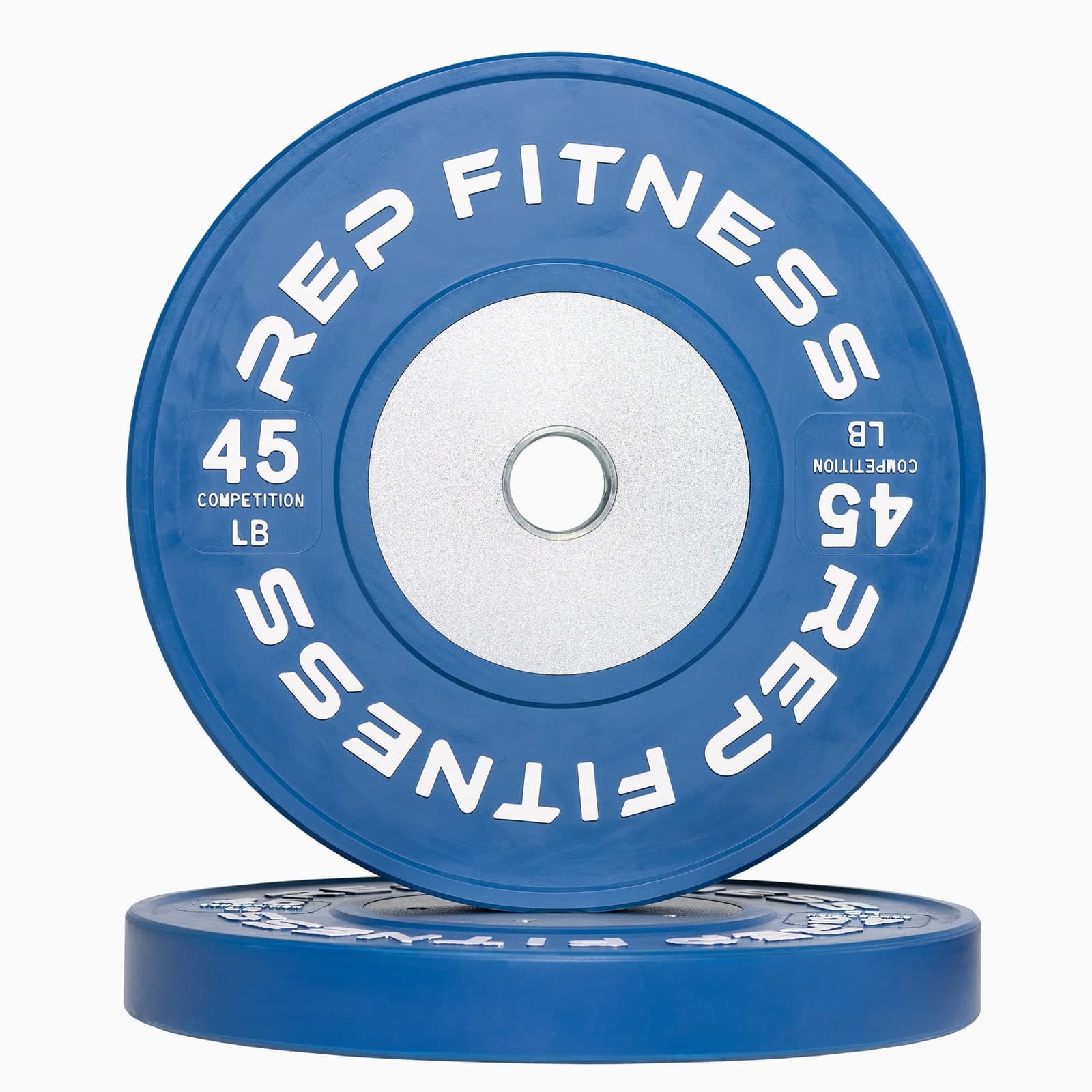
REP Competition Bumper Plates (LB)
A competition-style pound bumper format with a zinc-coated insert and low-bounce positioning for a barbell room that has a verified floor and a declared drop boundary.
Best fit when
- A dedicated room or garage with a verified floor, plate storage, and full-diameter clearance
- People comparing a competition bumper format against iron or smaller training plates
Choose another path when
- You cannot verify the floor, bar, storage, or set-down boundary before loading
- You need the thinnest possible plate profile or plan to mix incompatible diameters without checking the manufacturer's guidance
Training jobs
What earns the floor space.
- 01Build a pound-based bumper loading path for Olympic lifting, cross-training, and controlled strength work
- 02Keep a consistent full-diameter plate family available when the floor and storage path can support it
Sourced specifications
Facts with a visible source.
Test queue
The protocol is assigned. The result is not.
Documents one weight plate sample's dimensions, collar fit, markings, handling, storage boundary, and declared impact limits without certifying a barbell, floor, rack, building, or user's lifting capacity.
- Hands-on gate
- 3 measurements / 4 observations
- Long-term gate
- 90 days / 20 sessions
0 completed first-party sessions. This record remains spec-reviewed, and no measurement or use result is implied.
- 01Plate dimensions3x
Record the visible diameter and thickness at repeatable points on the sample.
- 02Collar fit3x
Record how the collar opening fits the declared bar sleeve without treating fit as a bar safety certification.
- 03Weight markings2x
Document the stated weight format, units, markings, and visible identification on each sampled plate.
- 04Surface format3x
Record the material, finish, hub, edge, grip features, and visible seams without converting them into universal durability claims.
- 05Handling path3x
Record the carry, load, unload, and return path for the sampled plate within the declared room boundary.
- 06Storage envelope3x
Measure the space required for the selected pair or set and the access needed to remove one plate.
- 07Impact boundary2x
Record the manufacturer's stated drop or no-drop boundary without creating an editorial drop test or floor claim.
- 08Ownership condition log1x
Record changes in finish, collar, edge, markings, and storage contact over time.
Tradeoffs
What the recommendation does not hide.
- The larger bumper format occupies more storage volume than many iron plates
- REP's factory and warranty language describes the product boundary but does not certify your floor, bar, building, or personal lifting capacity
Read the decision
Guides that put this record in context.
Choose bumper plates when a full-diameter rubber format fits the room and its floor boundary, and choose iron plates when controlled loading, individual handling, and compact storage matter more than drops. Do not mix formats by appearance alone. Check bar sleeve fit, plate diameter, floor conditions, storage, and each manufacturer's use boundary before buying.
StrengthHow do you start barbell training at home?Start with the movement jobs you can repeat, then verify the rack, bench, bar, plates, floor, storage, and return path those jobs require. A barbell is a system rather than a single purchase. Begin with a light or empty-bar rehearsal, keep the load inside the room and equipment boundary you have actually checked, and use a dumbbell, kettlebell, or bodyweight alternative when the rack, floor, or handoff is not ready.